


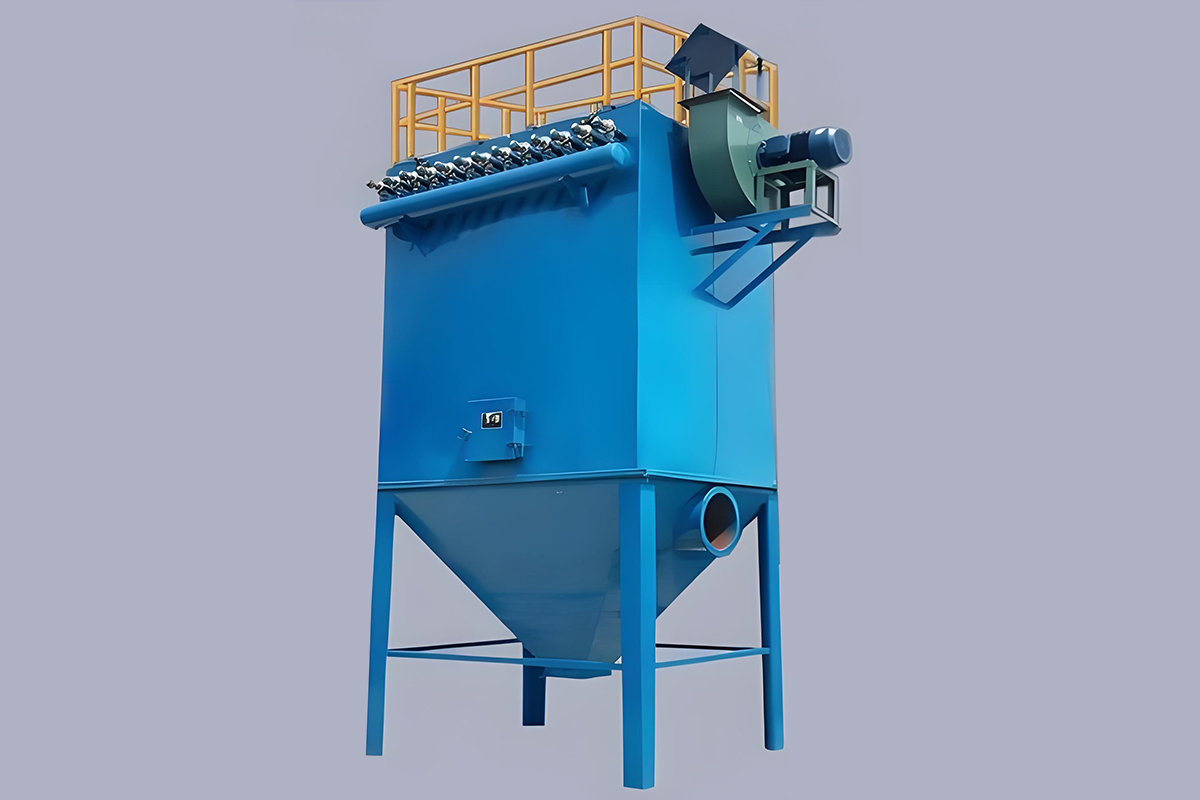
Maintenance Operating Procedures for Pulse Single-unit Dust Collector
The pulse single-unit dust collector is an efficient air purification device widely used for dust control and environmental protection in industrial production. To ensure its long-term stable operation, improve dust removal efficiency, and extend equipment life, it is essential to develop and strictly implement maintenance operating procedures.
I. Daily Maintenance
Daily maintenance is essential for maintaining the efficient operation of the pulse single-unit dust collector. It mainly includes the following aspects:
1. Equipment Operation Log
- Record key parameters daily, including operating hours, pressure differential changes, and cleaning cycles. This helps in the timely detection and handling of abnormalities.
2. Visual Inspection
- Regularly inspect the collector’s shell, air inlet, air outlet, and dust hopper for any damage, deformation, or corrosion.
- Check that all filter bags are securely installed—without looseness or detachment—and ensure they are properly sealed.
3. Cleaning System Check
- Regularly inspect the working condition of cleaning system components, such as pulse valves and solenoid valves. Ensure they operate flexibly and are well-sealed.
- Observe the expansion of filter bags during the cleaning process to confirm effective cleaning.
4. Ash Discharge System Check
- Inspect the operation of ash discharge components, including discharge valves and conveying equipment. Ensure smooth ash discharge without blockages.
5. Electrical System Check
- Inspect electrical components like power lines and the control cabinet for exposed wires, aging, or signs of overheating.
- Regularly check electrical components within the control cabinet to ensure normal function and the absence of abnormal alarms.
II. Periodic Maintenance
Periodic maintenance is crucial for maintaining the dust collector’s optimal working condition and includes the following key areas:
1. Lubrication and Fastening
- Regularly add or replace lubricant at all designated lubrication points to ensure flexible operation of components.
- Check and tighten all loose bolts and nuts to prevent vibration or detachment during operation.
2. Filter Bag Replacement
- Periodically inspect the condition of filter bags and replace them promptly based on their level of wear or damage.
- When replacing bags, ensure the new filter bags match the old ones in model and specifications and are installed correctly.
3. Pulse Valve Maintenance
- Periodically inspect pulse valve components like diaphragms and solenoid valves. Replace them immediately if damaged.
- Clean out impurities and moisture from inside the pulse valves to ensure flexible operation.
4. Cylinder and Flange Inspection
- Regularly check the sealing condition of cylinders and flange surfaces. Replace sealing rings promptly if air leaks are detected.
5. Electrical Component Maintenance
- Regularly inspect electrical components such as pressure switches and pressure measurement ports. Ensure they function properly and are free from blockages.
- Clean dust from inside the control cabinet to maintain component cleanliness and proper heat dissipation.
6. Performance Testing and Adjustment
- Conduct regular performance tests on the dust collector, measuring indicators like dust removal efficiency and system resistance.
- Based on test results, adjust parameters such as cleaning cycle and pulse intensity to ensure the collector operates at peak performance.
III. Fault Handling
Fault handling is a vital component of the maintenance procedures and primarily involves the following:
1. Fault Diagnosis
- If a fault occurs, immediately stop the equipment and cut off the power supply.
- Systematically diagnose the cause of the fault based on the symptoms and any alarm information.
2. Handling Common Faults
- Pulse Valve Not Working: Check the valve’s power supply, wiring, diaphragm, and other components.
- Filter Bag Blockage: Verify the cleaning system is operational and adjust the cleaning cycle or pulse intensity as needed.
- Poor Ash Discharge: Inspect ash discharge valves and conveying equipment for block
3. Repair and Replacement
- Repair or replace damaged components promptly.
- When replacing parts, ensure the new components match the original in model and specifications and are installed correctly.
4. Fault Logging and Analysis
- After handling any fault, record the symptoms, procedures taken, and results in detail.
- Regularly analyze fault records to summarize causes and solutions, providing valuable reference for future maintenance work.

 French
  English
  Japanese
  Russian
  Arabic
  Portuguese